Top London Travel Attractions Nobody Should Miss
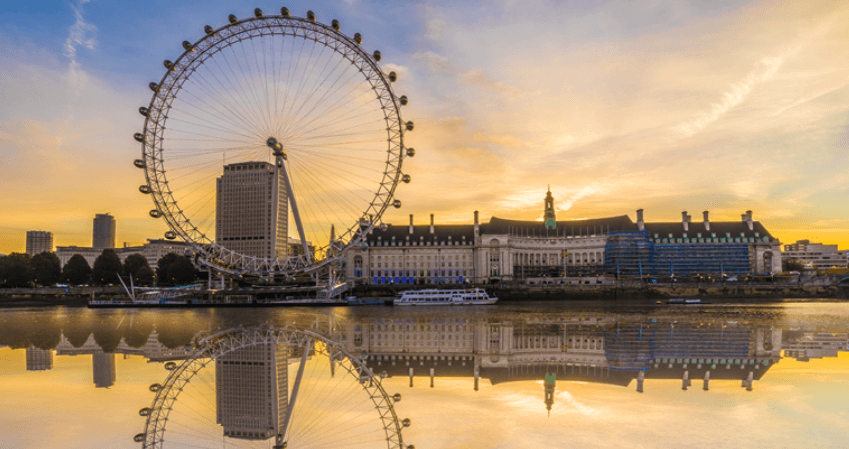
London, a vibrant metropolis steeped in history and culture, is renowned for its iconic landmarks, such as the Tower of London, Buckingham Palace, and the British Museum. The city’s rich tapestry reflects centuries of history and a diverse population, making it a hub for art, fashion, and cuisine. Visitors can experience the contrasting atmospheres of its various districts, from the bustling markets of Camden to the upscale shops of Mayfair. The River Thames weaves through the heart of the city, offering picturesque views and a sense of tranquility amidst the urban hustle. Indeed, London is a city that never ceases to amaze, inviting everyone to explore its hidden gems and to indulge their senses in its myriad offerings.
Travelers wishing to experience London can take advantage of international airlines that connect them to this vibrant city. For instance, Cathay Pacific provides flight services from Sydney To London making it easy for those in distant lands to arrive in London and immerse themselves in all that it has to offer. Once there, visitors can revel in world-class experiences, including renowned theaters in the West End, culinary delights from Michelin-starred restaurants, and lush parks that provide an oasis in the busy city. The blend of historical sites alongside modern attractions creates a uniquely British ambiance, allowing for a rich travel experience. London’s public transport system, including the iconic red buses and the underground tube, ensures that getting around the city is convenient and efficient. Whether it’s your first visit or a return trip, London continues to enchant and inspire, captivating everyone who sets foot in this extraordinary city.
Natural History Museum
The Natural History Museum is an iconic institution that captivates millions of visitors each year with its vast and diverse array of exhibits. Located in the heart of major cities around the world, these museums serve as both educational resources and repositories of our planet’s rich biological and geological history. From ancient fossils to colorful taxidermy displays, the Natural History Museum offers an immersive experience that sparks curiosity and fosters a deeper understanding of the natural world.
One of the most striking features of any Natural History Museum is its impressive fossil collection. Dinosaurs, in particular, draw large crowds, with their towering skeletons and lifelike reconstructions igniting the imagination of children and adults alike. The specimens on display often include not just dinosaurs but also other prehistoric creatures, allowing visitors a glimpse into the Earth’s distant past. This connection to history enhances our appreciation of evolution and how life has adapted over millions of years, revealing the fragility and resilience of ecosystems.
In addition to paleontology, Natural History Museums often highlight biodiversity through extensive exhibits on flora and fauna. These displays can include everything from vibrant butterflies and exotic birds to rare and endangered species. Interactive installations engage the audience, promoting awareness about conservation efforts and the threats facing wildlife due to habitat destruction, climate change, and poaching. By showcasing the beauty and complexity of life on Earth, these museums inspire a sense of stewardship towards our planet.
Beyond their exhibitions, Natural History Museums play a vital role in scientific research and education. They often collaborate with universities and research institutions, contributing to the advancement of knowledge in various fields, including geology, ecology, and anthropology. Educational programs, workshops, and outreach initiatives invite students and families to delve deeper into scientific inquiry. In essence, the Natural History Museum not only preserves the past but also acts as a beacon of knowledge and hope for future generations, encouraging a responsible and informed approach to the world we inhabit.
Tower Bridge
Tower Bridge, an iconic symbol of London, stands majestically over the River Thames. Completed in 1894, this bascule and suspension bridge was designed to accommodate the increasing road traffic while allowing tall ships to pass through the river. Renowned for its stunning Victorian Gothic architecture, Tower Bridge was the brainchild of engineer Sir Horace Jones, who carefully crafted it in tandem with architect John Wolfe-Barry. Its two striking towers, connected by two walkways, rise 65 meters above the Thames, creating a breathtaking silhouette against the city’s skyline.
The engineering marvel of Tower Bridge lies in its unique design, which incorporates both a bascule mechanism and a suspension bridge. This ingenious combination allows the bridge to lift its roadways to enable the passage of ships. Each bascule weighs around 1,000 tons and can be raised in just under a minute, making it one of the most efficient drawbridges in the world. Visitors can observe the bridge’s operation and even venture into the glass-floored walkways at the top for spectacular views of the river and the city below. The bridge’s ability to seamlessly integrate functionality with a striking visual appeal has made it a significant point of interest for locals and tourists alike.
Throughout its history, Tower Bridge has witnessed numerous significant events, from royal celebrations to public demonstrations. Its historical significance extends beyond its construction; it played a pivotal role during World War II when it served as a strategic crossing point. Today, Tower Bridge is not only a functioning pedestrian and vehicle thoroughfare but also a popular tourist attraction. The exhibition within the bridge showcases its history, engineering, and the stories of the people who have crossed it for over a century.
In addition to its engineering achievements, Tower Bridge is also surrounded by rich cultural and historical landmarks, including the Tower of London, the Shard, and the vibrant Borough Market. As visitors explore this area, they can immerse themselves in the history and pulse of the city. Tower Bridge serves as a testament to London’s enduring architectural ingenuity and remains a vital link between the past and the present, continuing to inspire awe and admiration from generations of visitors.
See also: How to Budget for a New Launch Condo: Hidden Costs You Need to Factor In
British Museum
Visiting the British Museum is an extraordinary experience, offering a glimpse into human history and culture through its vast collection of artifacts. To make the most of your visit, planning ahead is essential. Begin by checking the museum’s website for current exhibitions, events, and opening hours. Although entry is free, some special exhibitions may require tickets. Printed maps are available, but downloading the museum’s app can provide you with valuable information and a guided tour option that assists in navigating the extensive galleries.
The museum houses over 8 million objects, which can be overwhelming. Focus on specific sections that interest you, such as Ancient Egypt or the Parthenon sculptures. Each gallery provides context, allowing you to appreciate the stories behind the artifacts. Allocate your time wisely; spending around two to three hours will let you explore key exhibits without feeling rushed. Don’t hesitate to ask staff for recommendations—they’re knowledgeable and can help you discover hidden gems.
When it comes to exploring, be prepared for the museum’s layout. It’s helpful to start with the highlights like the Rosetta Stone or the Elgin Marbles, which are among the most popular displays. Consider visiting during less crowded hours, typically early in the day or late in the afternoon, for a more serene experience. Wear comfortable shoes, as you’ll likely do a fair amount of walking, and take breaks in one of the museum’s cafés or rest areas to recharge.
Lastly, immerse yourself fully by engaging with the various interactive displays and educational resources. The British Museum offers guided tours, talks, and workshops that can enrich your visit. Whether you’re a history buff or simply curious, coming prepared with a sense of wonder will make your trip unforgettable. Enjoy your adventure through the corridors of one of the world’s greatest museums!