Climate vs. Grass Seeds: How to Match the Right Seed to Your Region
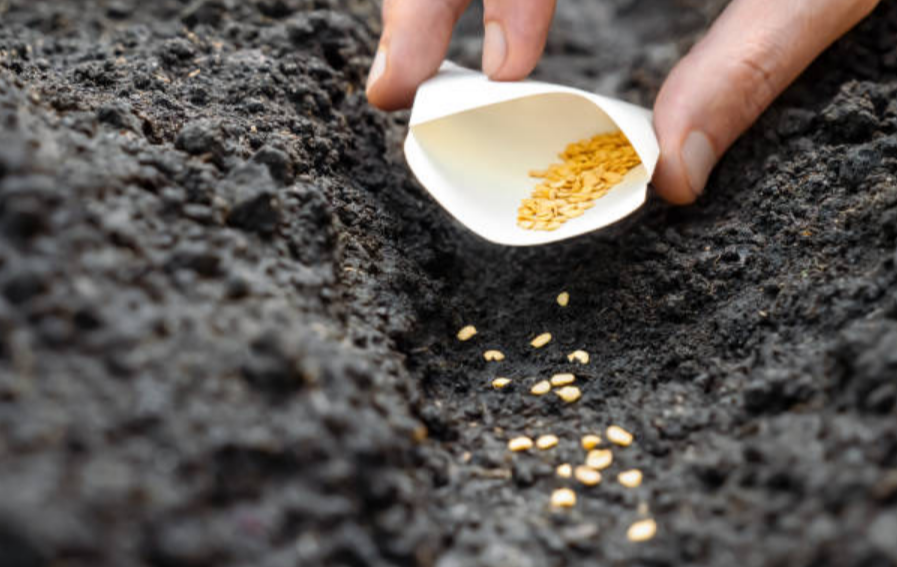
Selection of the appropriate grass seeds for your yard is the key to a strong and durable lawn. Although many people concentrate on watering and fertilizer schedules, the foundation of a good lawn is having seeds that are best adapted to your climate. Climate influences the temperature, precipitation, soil conditions, and seasonality, which determine the ability of different types of grass to grow. Using the right grass seed for your area helps produce stronger roots, greener blades and a more robust lawn, overall.
Understanding Why Climate Matters for Lawn Growth
Grass is a living organism, and its ability to thrive depends heavily on environmental conditions. Different grass seeds are adapted to distinct climate zones. Some grasses prefer cool temperatures and survive harsh winters, while others flourish in hot, dry environments. When a homeowner chooses a seed type that doesn’t match the local climate, the lawn may struggle to germinate, become patchy, or require constant maintenance to stay healthy.
Climate is more than just temperature. Temperature, air humidity, precipitation, soil moisture and sun exposure are all important factors. An area with sporadic rains could call for drought-hardy seeds, and a cool, wet area might need an entirely different approach. When you select grass seed that is naturally adapted to the climate in your area, you are seeding a lawn that grows more efficiently and requires less care.
Cool-Season Grasses: Ideal for Colder Regions
Cool-season grasses thrive in regions with cold winter and mild to warm summer. These kinds of grasses flourishes at temperature of 10°C-24°C. They remain green for longer periods of time throughout the year and usually run to ground from winter dormancy.
Examples include fescues, ryegrass, and Kentucky bluegrass. Cool-season grasses are popular for homeowners in northern climates because they tend to have rapid germination in spring and fall. These seeds are perfect for hard seasonal country it is not too hot in the summer.
The biological nature of cool grass makes cool-season grasses so efficient in cold climates. Cooler temperatures encourage their roots to grow deeper so the plants are better able to draw nutrients. They also keep their color for a long time when changing seasons. But when cool-climate homeowners opt for a warm-season type of grass, the seeds typically don’t take, and they’re left with thin, or brown, lawns.
Warm-Season Grasses: Perfect for Hot, Sunny Environments
Warm-season grasses are adapted to warm climates and long growing seasons. They do well in areas that regularly reach over 80Ωf in direct sun. Common varieties include zoysia, Bermudagrass, and buffalograss. Those seeds will all tell you they can handle drought and heat, and some will even say they will turn brown and come back.
The growth period for warm-season grasses is late spring to summer when the growing season is at its strongest. During cold weather, their blades go dormant and turn brown, but that is part of their life cycle. Their dense growth also makes them resistant to foot traffic and perfect for homes in hot, dry climates. Winter grass growing in the warm conditions is rather like forcing a Christmas tree crop in the greenhouse in summer. This result is a perfectly manicured lawn that takes an enormous amount of work, and that wilt under the American sun.
Transition Zones: Areas Where Both Types Can Work
Certain areas are classified as a special type of region known as a transition zone. Both have hot summers and cold winters, so there’s no one perfect choice of grass type. Owners in these zones have to be strategic when purchasing grass seeds, typically opting for some kind of hybrid variety or mix that can handle the seasons.
Blended varieties have properties of both grass families. An example of a blend is tall fescue for winter color and zoysia for summer strength. This mix lets transitional zone lawns stay green longer in the growing season and survive unexpected cold snaps. Planting versatile seed blends gives you a well-rounded lawn that you can count on all year long.
Considering Rainfall, Soil Type, and Sun Exposure
While the climate provides the basics, the success of grass seeds is determined by other environmental conditions. Precipitation is the natural supply of moisture to a lawn. A rainy climate produces moisture-loving grasses; dry climate, drought tolerant grasses.
Soil type has a huge impact, Too. Sandy soil drains so quickly and easily that it is best used in conjunction with seeds that can withstand dry conditions. High clay soil retains moisture for a longer period of time and is ideal for grasses that like to be consistently watered.
Sun exposure is important too. Some grasses require full sun, and others grow best in partial shade. If you know how your yard’s day is lit, you can better determine what seeds are best for each part of your lawn.
Conclusion
Growing the right grass seeds for your region’s climate is the key to having a beautiful, easy-to-care-for lawn. If you live in a cool, warm or transitional zone, choosing seeds that are naturally suited to your environment will lead to better growth, and more sustainable lawn in the long run. Based on the temperature trends, precipitation amount, soil texture and sunlight type, you can make a right choice of grass seeds that help you build a colorful and active lawn in your area.